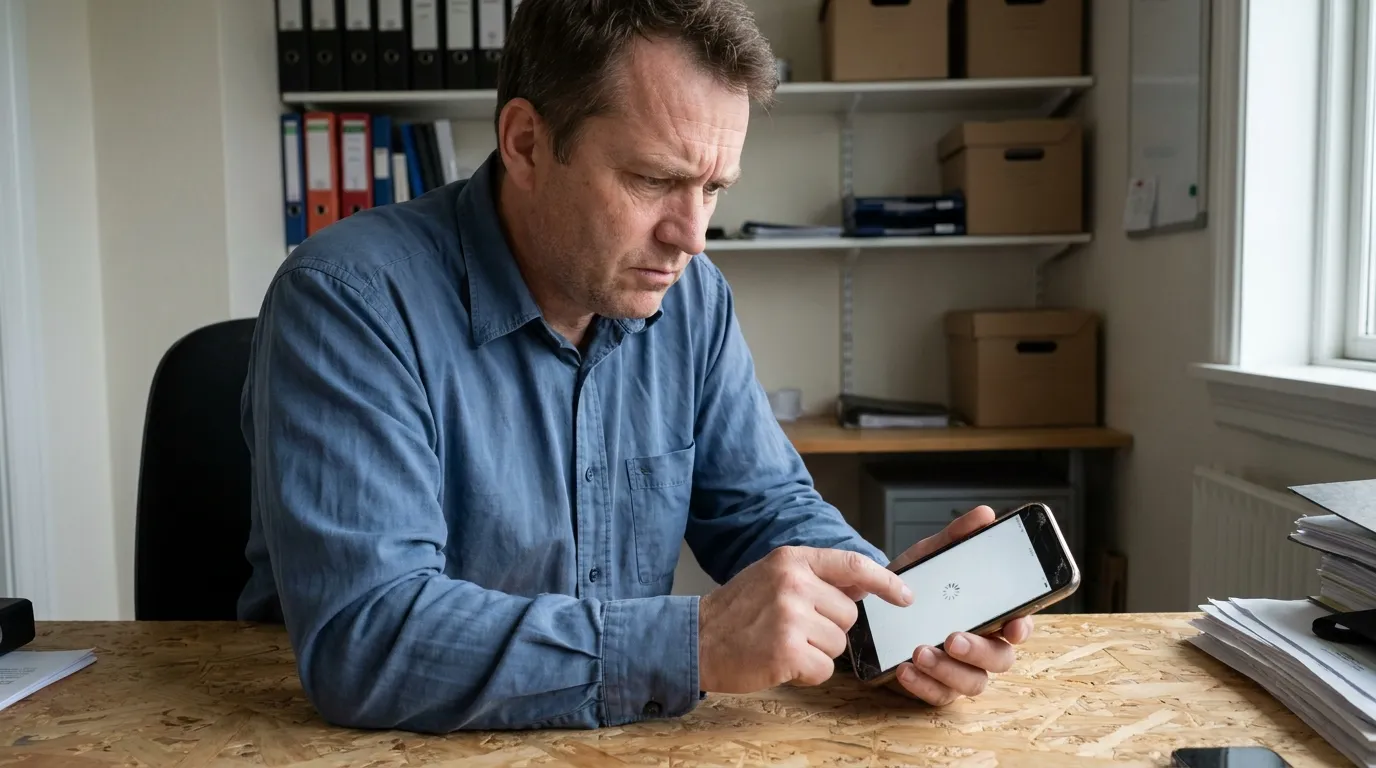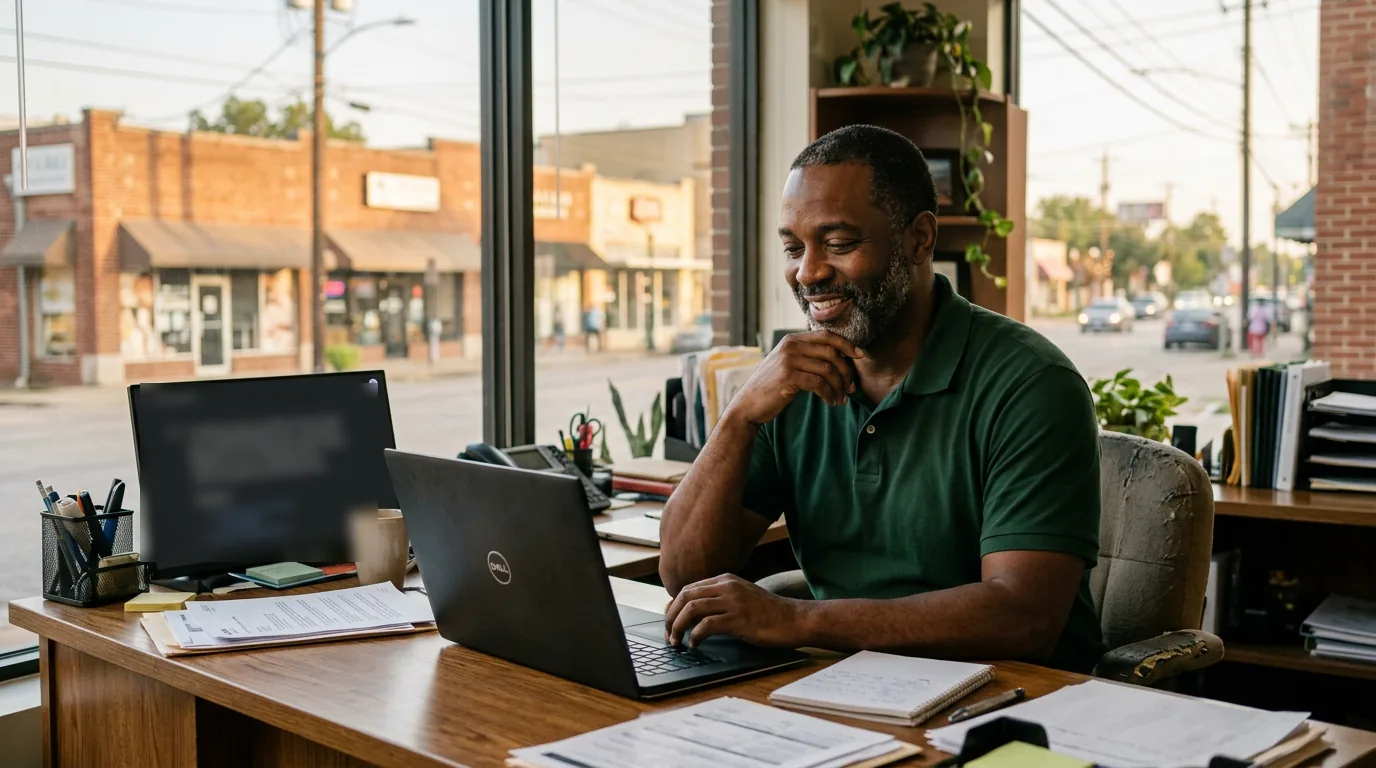

Competition in The Woodlands is brutal. And a DIY website tells potential clients exactly how seriously you take your own business, whether you mean it to or not. We build sites that don't just look good, they pull clients in. Most businesses figure that out after they've already watched the leads slip away.

Your website is the first handshake. Visitors form an opinion in seconds (sometimes faster), and that opinion sticks hard. (CXL) A professional designer shapes that moment on purpose, building something sharp and genuinely easy to use, something that actually looks like what you do.
Here's the thing nobody says out loud: two businesses can sell the exact same thing, and the one with the better website wins. We see this constantly with local service companies. One invests in real photography, a clean layout, a booking flow that takes four clicks, the other is running a cluttered homepage and a contact form that goes nowhere. Sound familiar? One of them is getting the call. The other is wondering why the phone went quiet.
A site earns trust or it kills it. No neutral. And credibility built through good design tends to stick around, it turns first-time visitors into paying customers, and those customers into repeat ones.
A good designer thinks about how real people move through a site. That means navigation that actually makes sense, plus layouts that hold up whether someone's on a phone at lunch or a desktop at the office.
UX is pretty simple at its core. Can people find what they came for, or can't they? A skilled designer builds around how visitors actually behave, not around what looked cool in a mockup. We structure navigation around what people want, not what the owner thinks they should want first.
We worked with a boutique in Spring whose online shopping experience was quietly killing conversions. So we simplified the layout, clarified the categories, shortened checkout. Online sales climbed within a few months. Small shifts in structure, real difference in revenue.
Most businesses assume their desktop site is fine and stop there. But a huge chunk of your visitors are on a phone, browsing on a lunch break or sitting in a parking lot. (MobiLoud) Responsive design isn't optional anymore, it's just the price of entry (and yet we still see Woodlands sites that fall apart completely on mobile). We build for every screen from the start, never as an afterthought.
Confusing navigation sends people running. Fast. A clean, intuitive interface keeps visitors around longer, and the longer they stay, the better your odds of turning them into actual customers.
SEO isn't something you sprinkle on at the end. It gets baked into the structure, the code, the content from day one, and honestly that's how we approach every single build.
SEO gets local customers to your door, and a good web designer builds it in from day one. Not bolted on later. Clean site architecture, proper tag structure, load times that don't make Google quietly bury you before anyone lands on your page.
Not complicated. Just consistent.
We worked with a law firm in Conroe whose site was sitting on Google's third page, pretty much invisible. After rebuilding around SEO as a core priority, tightening the content, and fixing site speed, they jumped to page one for the keywords that actually bring in clients. Rankings moved fast, but that didn't happen by accident. It happened because SEO was baked into the structure from the start, not sprinkled on top at the end.
Here's the thing nobody says out loud: a faster, cleaner, better-organized site ranks better. That's it. In The Woodlands, where local businesses are all competing for the same eyeballs, showing up on page one is the whole difference, and a designer who genuinely understands that gives you a real edge over everyone else on the block.
Local SEO is a different animal. No generic tutorial is going to teach someone how to rank in Spring or Conroe specifically, and we see this constantly with local service businesses. Your site has to signal to Google exactly where you operate and who you serve. That takes more than dropping a city name in a paragraph. A designer who knows this market builds those signals in without you ever having to ask.
Fixing a broken DIY site almost always costs more than doing it right the first time, and your time is worth something too.

Trying to build your own site burns hours you don't have. And when things break (they will), you're the one troubleshooting at 11pm, not sleeping, not running your business. Hiring a designer means someone who has already made every mistake handles it instead. They see problems coming, they've solved them before, and they don't charge you for the learning curve.
Sound familiar? We hear this from gym owners, contractors, consultants all over The Woodlands area. They spend months wrestling a free platform, inquiries stay quiet, memberships stay flat, and eventually they call us anyway. The site we build launches clean, works on day one, starts converting. Those DIY months are just sunk cost at that point.
Look, the "save money now" logic on DIY breaks down fast when you factor in your hours, the fixes, and the business you didn't close while your site looked half-finished. In The Woodlands, where people have no shortage of options, a slow or janky site sends them somewhere else immediately. A professional sidesteps all of that before it costs you anything.
Most skilled designers also offer ongoing maintenance so your site stays current without surprise invoices. Steady upkeep keeps things from quietly breaking in the background, and it means your online presence isn't something you have to babysit every few weeks.
Your website either looks like your brand or it doesn't. No close enough. Every color, every font choice, every line of copy either builds trust or quietly erodes it, and a good designer sweats those details so you don't have to.
I've watched this play out with clients in The Woodlands who came to us mid-rebrand. New logo, updated colors, sharper messaging, but the old site still sitting there contradicting all of it (which is more common than you'd think). Once the site actually matches the brand, something shifts. Customers feel it, inquiries go up, the business feels more real, more worth calling.
That's the whole game.
Brand inconsistency confuses prospects, and it quietly chips away at everything you've built. We see this constantly with local service businesses in The Woodlands. They underestimate how much a consistent experience matters, by the time they notice, the damage is already done. Reputation travels fast out here. A strong brand presence isn't a luxury. It's the floor.
When your site, your social profiles, and your printed materials all look like they came from the same company, recognition compounds. People gravitate toward brands they trust, and trust is just familiarity stacked up over time. More loyalty, better retention. And honestly, more sales.
We stay current on tools and tech so your site isn't running on yesterday's stack, because an outdated site loses trust fast.
The web moves fast. What felt cutting-edge two years ago is a liability now, and most business owners are too busy running their actual business to track any of it. That's pretty much the whole argument for hiring someone who does this every day.
Good designers bring modern tooling, plugins, and frameworks that most small businesses wouldn't find on their own, let alone know how to wire up correctly. We've helped clients in The Woodlands add functionality (AI-driven recommendations, custom booking flows, that kind of thing) that would've been out of reach as a DIY project. And the gap between a templated build and a properly engineered site? It shows up the second a user hits friction.
In a tech-aware market like The Woodlands, that gap matters more than people admit. Stop adapting and you don't just stall, you hand your position to whoever hired better talent last quarter.
A site without solid security isn't just a technical problem, it's a liability sitting in plain sight. We build on stable foundations from day one, because bolting security onto a shaky codebase is expensive, slow, and usually half-finished anyway.
Sound familiar? We've watched it play out with service businesses in Houston who skipped this step early. A breach doesn't just expose data, it burns through client trust in ways that take months to repair, sometimes longer. And the rebuild costs more than doing it right the first time would have.
Here's the thing nobody says out loud: stability and security are the same problem. A site that goes down under traffic, throws errors at checkout, or takes five seconds to load is bleeding money right now. Folks in The Woodlands aren't patient about slow pages. They just leave. A good designer builds for messy real-world conditions, not the perfect demo, so your site holds up when it actually counts.
Monitoring matters too. Threats change, platforms update, dependencies break. We watch for that stuff so it gets handled before a customer ever notices.
Once a site is live the work isn't over, and we keep things updated, patched, and running so you never have to wonder if something quietly broke.
Launch day isn't the finish line. Ignore a site after go-live and it starts to drift, security patches pile up, plugins fall out of compatibility, small issues quietly turn into big ones. We carry that ongoing work so our clients in Spring, Conroe, and The Woodlands aren't scrambling every time a platform pushes a major update. You stay focused on your business. We keep the site from becoming the problem.
For any local service business without a dedicated IT person, that kind of support changes everything. A nonprofit in Spring we've worked alongside depends on professional maintenance to keep their donation platform running, so their team isn't wrestling with broken payment forms at midnight. They get to focus on the actual mission, not the plumbing keeping it alive.
Business owners in The Woodlands are stretched thin already. Running the business takes everything you've got. Getting a 2am alert that your site is down is not how you want to spend what's left. When a professional handles maintenance, you don't have to think about it, you just focus on what you're actually good at.
Good designers also dig into analytics and surface real insights about how people move through your site. That data shapes smarter decisions. And it pretty much kills the guessing game around what's working and what's quietly losing you customers.
Cookie-cutter templates don't tell your story. We dig into what makes your business yours and build something that actually reflects it.

Here's the thing nobody says out loud: most websites look like they came from the same three templates, and visitors can feel it immediately. A skilled designer builds something that fits your business specifically, not just any business that sells a similar thing. That gap is wider than most people admit.
We worked with a craft brewery in Conroe that wanted their site to actually feel like being there, brand story, virtual tour, the whole thing. Traffic picked up, online merchandise moved, not because of some clever trick but because the site genuinely represented them (and people responded to that honesty).
The Woodlands market is competitive enough that a forgettable website is a real liability. Most businesses default to generic templates and wonder why nobody sticks around. A designer who customizes to your specific goals gives you something those businesses simply don't have.
Skilled designers can also layer in animations, video, and interactive content that keeps people engaged long enough to actually care about what you offer.
A decent-looking page isn't enough anymore in a market like The Woodlands. Sound familiar? A skilled designer builds to a higher standard: fast load times, current design, a user experience that doesn't make people bail in frustration.
Look, we've watched this play out with local real estate agencies. One client added virtual tours and a real property search tool while competitors kept posting basic listings. That single gap drove more inquiries, and the sales followed. It's obvious once you see it happen.
A better online experience brings people in and keeps them longer, and in a market moving as fast as Houston's north suburbs, that kind of advantage builds quietly on itself. It compounds.
But the payoff doesn't stop at launch. Good designers watch where things are heading and help you adapt before your competitors even notice the shift.
People make snap judgments about businesses based on their websites, and a polished, secure site is often the difference between a visitor who bounces and one who picks up the phone.
Trust forms fast. A well-built site signals credibility before anyone reads a word, and a sloppy one loses them in the exact same breath.
Picture a healthcare provider in The Woodlands. Contact info front and center, real patient testimonials right there, booking that takes about three seconds. That combination kills hesitation at the exact moment somebody's deciding whether to call, the friction vanishes, the visitor turns into a patient. We watch it play out this way over and over.
People notice when a site looks sketchy.
And a good designer pulls you out of that category fast. Every visitor lands on something that looks legit, feels trustworthy, gives them a reason to stick around. Reviews, clear product info, honest pricing, each piece chips away at doubt and nudges someone closer to reaching out. (That last bit, the honest pricing, surprises people with how much it actually moves the needle.)
Social and marketing work best woven into the site itself, not bolted on after the fact, and a good designer knows how to make that integration actually do its job.
Here's the thing nobody says out loud. Your social campaigns are sending people somewhere, and if that somewhere is a slow, disconnected homepage, you're torching your own budget. We connect those dots for clients, weaving in live social feeds, sharing buttons, and tools so your site and your campaigns are finally talking to each other.
We see this constantly with local service businesses. A Woodlands café dropped their Instagram feed onto the homepage and watched something interesting happen, social mentions started turning into foot traffic. Customers began posting their own photos because the site made sharing easy, which is pretty much the cheapest content strategy around. Content the business never had to produce itself. Sound familiar?
Past social, we set up email capture forms, targeted landing pages, and analytics that hand you real data instead of guesses. You stop wondering what's working. You start knowing.
What works online today might flop in 18 months. Technology moves fast, expectations shift, and a site nobody's touched in a few years starts bleeding traffic in ways that stay hidden until you look closely. A good designer watches those changes and acts before the damage shows up in your numbers.

Voice search is already changing how people find businesses in The Woodlands and Houston. The right designer builds for that now, structured content, conversational targeting, layouts that answer questions the way people actually ask them. And with augmented reality creeping into retail and service sites, we're already working out how to bring those pieces in without wrecking load times or confusing someone who just wants to book an appointment.
We track algorithm shifts early and update client sites before the change turns into a problem. Not a guarantee. But a whole lot better than scrambling after the rankings are already gone. I've watched competitors suddenly outrank solid local businesses after an update nobody saw coming, and the ones who bounce back fastest are the ones who had someone paying attention beforehand.
We wrote a full breakdown of this in Ecommerce Web Design Mistakes That Cost You Sales.
You get a site that actually performs, fewer late nights fighting a page builder, and honestly, you get your time back to run your business instead of debugging your homepage.
DIY tools seem affordable until you're 47 days in, your conversion rate stagnates, and you're unsure why. We've seen it with Houston-area businesses that approached us after spinning their wheels for six months. Skilled designers don't just improve aesthetics. They build fast-loading pages that guide users towards actions and stand firm during traffic surges. The return on that investment is substantial.
This part trips people up.
Site structure, load speed, clean code, content hierarchy, these all feed directly into how search engines rank you, and a professional gets them right from the start.
SEO isn't simply stuffing keywords into a headline. A well-configured site loads in under 2 seconds, employs heading tags as Google expects, and organizes pages logically for crawler navigation. We achieve all this in Webflow, where we control the code entirely. No bloated plugins, no guesswork. Just a clean build understandable by search engines.
A slow, broken, or confusing site sends people straight to your competitors, and the revenue you lose quietly adds up way past what good design would have cost.
Poor design signals distrust in roughly 3 seconds. Visitors from Conroe or Spring who land on slow, confusing pages won't call you. They'll hit the back button and seek someone else. Beyond sales loss, a weak site can harm how people perceive your brand. Repairing that reputation takes longer than building it correctly initially.
Yes, and that alignment matters more than most people realize because your site is usually the first real impression of your brand.
Color, typography, tone, imagery, every site choice either improve recognition or diminishes it. We work from your brand standards, integrating them throughout the build. Nothing surprises when the site launches. Clients in The Woodlands often express that the final site truly reflects them. That consistency transforms first-time visitors into lasting impressions.
We handle the updates, the security patches, the little technical fires, so that stuff never becomes your problem.
We provide continual support that encompasses security updates, content adjustments, performance checks, and technical fixes when issues arise. But it goes beyond maintenance mode. We treat live sites as entities that should keep improving. If a page isn't converting, we investigate. If a faster solution emerges in Webflow, we implement it. You run your business in The Woodlands, we manage the website.
Our track record speaks volumes. With over $50M in client revenue generated, our expertise in The Woodlands web design is unmatched. We know what works, and we've got the results to prove it. Ready to see how our authority can transform your online presence? Let's review your current site and discuss potential improvements. Reach out through our contact page.
LATEST POSTS