
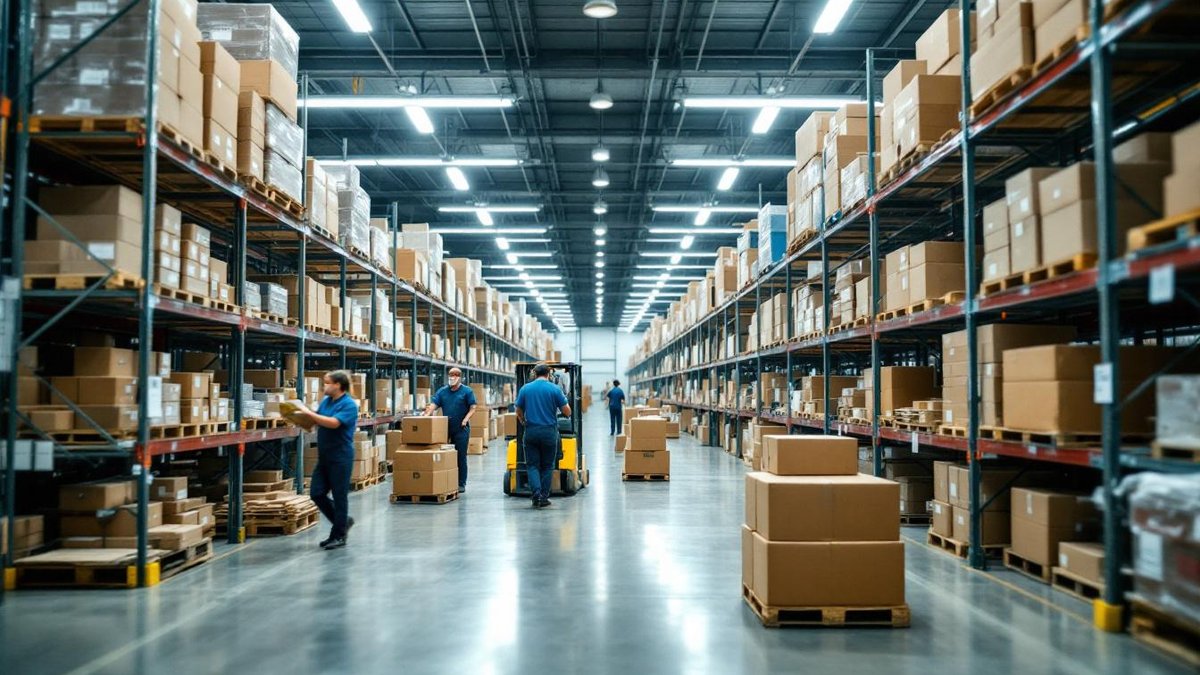
Nail your ecommerce shipping and everything shifts. Happy customers, more sales, the whole thing. Here in The Woodlands, TX, we've found it comes down to a couple of moves: picking the right carriers and nailing your rates, then getting your logistics software to actually cooperate. And it's bigger than boxes. You're pushing the whole business forward.

Shipping sits at the heart of ecommerce. It's what connects your product to the person buying it. Do it well? Happy customer. Botch it, and you might lose them for good. The stakes run high. So here's how we get ecommerce shipping right.
We pick carriers on reliability, cost, speed, and how far they actually reach. That one call ripples straight into how happy your customers are and what you keep at the end of the day.
Your carrier choice can make or break the whole operation. We tell clients to find a partner who delivers, every time, no drama. Look hard at reliability, cost, delivery speed, and coverage before you commit. In The Woodlands, USPS, UPS, and FedEx top the list. Each one has its strengths. And its limits.
USPS wins for small packages. Cheap, dependable. A local boutique in The Woodlands runs lightweight items through USPS to keep costs low without gambling on delivery. UPS handles bigger shipments and the tracking is excellent. We've watched a Houston electronics retailer lean on UPS for bulkier orders just for that tracking. FedEx? Fast, ideal when you need express. Figure out what your customers care about first. Honestly, most people skip this and grab a carrier out of habit.
And don't overlook regional carriers. Lone Star Overnight covers Texas and the nearby states with quick delivery and support that actually answers. For businesses in The Woodlands, LSO can be a cost-effective pick on regional runs. The right carrier also hinges on what you sell. Shipping perishables? You want refrigerated options. Got oversized stuff, freight carriers built for large shipments are your friend.
You've basically got three roads here: flat fees, free shipping, or live real-time rates. Which one wins depends entirely on your business model and what your customers expect.
Shipping rates close sales or kill them. You can run flat rates, free shipping, or real time carrier rates. Flat rates keep things simple, but they won't always cover heavier items. Free shipping pulls buyers in, and it eats your margins fast. Real time rates show the true cost, though they take more managing.
Think about who you're selling to. Budget-minded shoppers? Free shipping with a minimum order works wonders. A Spring-based clothing store offers free shipping over $50 and watches average order values climb (Red Stag Fulfillment) without bleeding margins. But when precision matters, real time rates win. A client of ours, an online furniture shop in Conroe, prices shipping by size and weight to keep costs honest. And don't forget packaging or returns. That's where plenty of businesses trip up.
Not complicated. Just consistent.
Tiered shipping rates based on order value push people to spend a little more for cheaper or free shipping, and they work. We watched a Houston electronics store offer free shipping over $100, carts got bigger, fewer people bailed at checkout. Show your rates everywhere on the site, not just on that final screen. Surprise costs kill more sales than almost anything, and a shipping calculator that gives a quick estimate before checkout builds trust fast.
Logistics software handles the grunt work for you, label printing, tracking, all of it. It saves us hours and cuts down on the dumb mistakes that creep in when you're doing it by hand.
Logistics software earns its keep quick. It prints your labels, tracks your shipments, and saves you from the silly errors that pile up when you do everything by hand, especially during the seasons when orders spike. Tools like ShipStation connect straight into the major ecommerce platforms (ShipStation), so your orders, inventory, and fulfillment data all live in one place (instead of scattered across six spreadsheets and a prayer).
And automation frees you up to actually grow the thing. Not completely, you still have to watch it and tweak it now and then, but good software takes most of the weight off. We've seen a local artisan shop in The Woodlands run their whole lineup through ShipStation, every item ships clean and gets tracked right.
Here's the thing nobody says out loud, the software shows you stuff you'd never catch by hand. Watch your delivery times, your shipping costs, the feedback rolling in, and patterns jump out, you fix problems before they blow up. Some systems sync with inventory and update stock levels live, so you stop overselling. For fast-moving stuff like fashion or electronics in Houston, where product flies off the shelf, that sync keeps the whole operation from falling apart.
International shipping means you actually have to know the customs rules, taxes, and duties for every country you ship to. It's a headache, no question. But it opens up a much bigger market.

International shipping is a big opportunity wrapped in a mess of rules. Customs, taxes, duties, all of it changes by country, sometimes by product category inside the same country. Learn the rules before your first overseas order ships, not after a box gets stuck in customs and a dispute lands in your lap. Sound familiar?
Carriers who specialize in international logistics are worth their weight here. They know the paperwork, the weird edge cases, which countries flag certain products for review. A Houston tech company partnering with DHL gets instant access to expertise that would take years to build alone. Steep learning curve, sure. But the bigger market makes it worth every bit of the effort.
Cross-border ecommerce platforms pull a lot of weight here. Tools like Easyship handle the customs paperwork, the currency conversion, the landed-cost math, so your international customer sees the real price at checkout instead of getting blindsided by import fees a week later. That transparency keeps overseas buyers from bailing on the cart. And once you know where you're shipping, dig into each country's import rules and how people there actually like to get their packages. What works for Canada falls flat in Germany. Research every market on its own terms, then adjust.
That's the whole game.
Good packaging protects the product and makes the unboxing feel like something. We treat it as a marketing tool, honestly, a way to reinforce the brand and give people a little moment of delight.
Packaging does two jobs. It guards the product, and it shapes how someone feels the second your order lands on their porch. A box that's clearly thought-through says you sweat the details, that's the message it sends before anybody reads a word. We push clients toward eco-friendly materials too, the conscious shoppers clock that stuff and they care, it lines up nicely with the sustainability-minded brands we see all over The Woodlands, Spring and Conroe.
But keep it reasonable. Packaging costs pile up faster than anybody plans for, and going overboard doesn't actually mean your stuff arrives safer. Find the line between looks and budget, then test the thing. Ship a few orders through your carrier, see what shows up on the other side. Plenty of businesses cut corners right here (and yeah, customers notice). We know of a Conroe gourmet food company that moved to biodegradable packaging matching their whole sustainability story, and the products still arrive in one piece. That's what you're after.
Think about the unboxing, too. A memorable one makes people happier with the purchase, and if they post it, that's free marketing landing in your lap. Toss in a personal note, a little extra something. We've seen a Houston jewelry brand drop a handwritten thank-you in every order, that one small touch builds a real connection. The environmental angle matters here as well, a lot of shoppers now lean toward brands that take sustainability seriously, so recyclable materials do your reputation a quiet favor.
A return policy that's clear and actually customer-friendly builds trust, and trust gets people to buy. So plan for returns ahead of time: set the guidelines, and line up a reverse logistics partner you can count on.
Look, returns happen. Always. So you plan for them instead of pretending they won't. A clear, customer-friendly policy earns trust, and that trust nudges people to buy because they know they're covered if something doesn't work out. Spell out the guidelines, then find a reverse logistics partner who won't let you down.
Free returns? They can lift your sales, sure, but they also cost you, so weigh it honestly before you commit. And put your policy somewhere obvious on the site. Confusion just breeds frustrated customers, and you don't want that, do you? We've watched a Spring boutique run hassle-free returns, and it's done real work for their loyalty and repeat orders.
A smooth return process matters more than most shops realize. We tell clients to automate return labels and keep the whole thing dead simple for the customer. Reverse logistics partners like Happy Returns handle the messy back end, which takes the load off you and your customers both. And dig into the return data, because patterns show up fast. When one product keeps coming back, that's a quality issue or a gap between what the description promised and what showed up at the door (usually the second one). Fix those, and your return rates drop while people walk away happier.
Give people tracking and tell them what's happening before they have to ask. Keeping customers in the loop on their order is one of the easiest ways to keep them happy.
People want to track their orders. So give them tracking, and tell them what's going on before they have to email you about it. It lifts satisfaction, it cuts down the "where's my stuff" inquiries. Most carriers hand you tracking for free, but third-party tools let you customize the experience.
Here's the thing nobody says out loud. Most businesses wait for the customer to ask, and by then the customer's already annoyed. Don't be that shop. If something's delayed, say so up front, people respect the honesty way more than silence. We've watched a Houston electronics store run simple SMS updates, and their support tickets dropped while their reviews climbed.
Simple. Specific. Honest.
A branded tracking page is worth building. It keeps your customer on your site instead of bouncing them to some carrier's bland page, so your brand stays front and center the whole shipping window. Use that real estate, drop in an upsell, a personalized note, whatever fits. And the conversation doesn't end when the box lands on the porch, follow-up emails asking for feedback or a review give you real insight and bring people back. Communication is an ongoing thing, and it shapes loyalty more than you'd guess.
Don't set your shipping strategy and walk away. We check the performance data and what customers are telling us, then adjust, and that's how you stay sharp and competitive.

Your shipping strategy isn't carved in stone. We pull the performance data, we read what customers are actually saying, then we adjust. That loop keeps you competitive. Watch your delivery times, your costs, your satisfaction numbers.
Look, when something isn't working, change it. And don't sit on it for six months. Regular check-ins catch the small stuff before it turns into a real problem, and honestly, plenty of businesses skip this part entirely (their loss). We've seen a local retailer in The Woodlands review their shipping setup every quarter, which lets them flex for seasonal swings and shifting customer preferences. Sound familiar?
Track a few KPIs and you'll actually know if your shipping works. Shipping cost per order, average delivery time, how many orders land on time. We tell clients to check these on a schedule, not once a quarter when something's already gone sideways. And ask your customers straight up, surveys or reviews, both show you where the cracks are. That feedback is gold. It tells you what's humming and what's quietly annoying people, and the shops that keep tweaking get noticed (their competitors notice too).
Shipping matters more than people think, it lands right on customer experience and whether anyone comes back. Do it well and it genuinely sets your brand apart.
Shipping is usually the last thing a customer experiences with you. That moment sticks. Get it right, product shows up fast and intact, people walk away happy. Amazon's Prime pretty much rewrote what shoppers expect everywhere, fast and reliable, no excuses.
Train the people handling your shipping. They field the questions, they sort out the problems, and when they fix something well, you've turned a bad day into a loyal customer. We see this constantly with local service businesses. They nail the logistics, then forget there's a human on the other end of every package.
Look, technology does a lot of quiet heavy lifting in customer experience now (chatbots answer the same shipping question a hundred times so your team doesn't have to). Wait times drop, satisfaction climbs. And give people choices, same-day delivery, click-and-collect, because everybody shops differently. Put customer experience at the center of how you ship and you build relationships that outlast a single order.
Worth saying plainly.
AI and drones are starting to reshape how ecommerce shipping works, and they're opening up faster, leaner delivery options than we had even a few years ago.
Tech is moving shipping fast. AI chews through data to map better routes, guess demand before it spikes, and personalize what each customer sees. Some companies already predict their busy stretches and shift logistics ahead of time. Fewer delays, less scrambling.
Drones and self-driving vehicles aren't really here yet. But Amazon keeps pouring money into drone delivery, and the promise is faster drops with less leaning on the usual carriers. Watch this stuff. Staying aware now means you're not caught flat-footed later. Sound familiar?
Blockchain is in the mix too, mostly for keeping supply chains honest. A tamper-proof ledger means better traceability and a lot less room for fraud. And smart warehouses are showing up, IoT sensors and robots cutting down the human errors that creep into fulfillment. These tools keep getting better. They'll shape how everyone ships, and they'll open doors we can't fully see yet.
Eco-friendly shipping, think sustainable packaging and smarter delivery routes, cuts down your environmental footprint. And it pulls in the customers who care about that stuff.
Customers clock it fast when a brand actually cares about sustainability. Recyclable or biodegradable packaging does double duty, it helps the planet and it tells eco-conscious shoppers exactly where you stand. That moves the needle on where they spend, and the pull gets stronger every year.
Smarter routes burn less fuel. Every order drops a smaller carbon footprint, and logistics software plans the paths for you, it finds the short ones, it takes the guesswork out of dispatch (the dispatcher in your head can finally relax). Some Houston carriers already run electric and hybrid fleets, so picking the right partner does half the job. Brands building sustainability into shipping aren't just doing the decent thing, they're lapping the competitors who still haven't clued in.
Look, shipping law gets messy, and the mistakes hit your wallet. You start local. Then you stack on the rules for every country you ship into, which means knowing which goods get restricted, what labeling each market wants, and which paperwork clears customs without a snag. We see this constantly with local service businesses, they ignore all of it until a shipment gets held or a fine lands. Don't be that company.

Consumer protection law runs deeper than most people guess. It shapes how you handle returns, how you process refunds, what you owe a customer when something goes sideways in transit. And your shipping and return policies have to actually comply, not just look fair on the page. A compliance specialist who knows ecommerce will find the gaps in an audit, and that bill almost always comes in cheaper than the legal mess it heads off.
Related reading: Ecommerce Returns and Refunds Policy Guide.
Look at carriers through four lenses: reliability, cost, delivery speed, and how much ground they cover. Then pick the one that actually fits what your business needs.
Figure out what your customers actually care about first. For some shops in Conroe or Spring, fast local delivery is the whole game. For others shipping nationwide, it comes down to cost per package, plain and simple. USPS, UPS, and FedEx each play to different strengths, and they're not swappable. Run a few scenarios before you commit.
This part trips people up.
Flat rates, free shipping, or live carrier rates, weigh them against your business model and what your customers are expecting to pay.
Flat rates make checkout dead simple. Free shipping bumps your conversions, live carrier rates keep your margins honest. They all work, but the right one hinges on your average order value and who you're selling to. So pick one, watch it for a couple months, then decide on what the numbers tell you instead of a hunch. Sound familiar?
Logistics software automates the shipping side for you, which saves time and trims out the errors. The whole operation just runs cleaner.
It prints labels, fires off tracking updates, and compares carrier rates for you. No manual entry, no late-night spreadsheet grind. ShipStation and ShipBob snap right into the big ecommerce platforms, so your team can get back to actually growing the thing.
Learn the customs rules, taxes, and duties for every country on your list. And lean on carriers who've shipped there before.
Every country plays by its own rulebook. What's painless in Canada turns into a headache somewhere else, usually over missing paperwork or a mislabeled box. Carriers with dedicated international teams already know this stuff cold (they live it daily). Lean on them while you learn the ropes. Smart move early on.
Here's the thing nobody says out loud. Free returns can absolutely lift your conversions, but they chew through your margins fast if your pricing never accounted for them. Run the actual numbers on what a return costs you before you go advertising the policy. Then put it somewhere people can find it. When a customer can't see your return terms before checkout, they bail, and that's a fixable problem.
We've driven over $50M in client revenue, so this isn't just talk. Ten-plus years right here in The Woodlands say plenty. Curious what that experience could do for your brand? Let's walk through your project together. Get in touch with us today.
LATEST POSTS