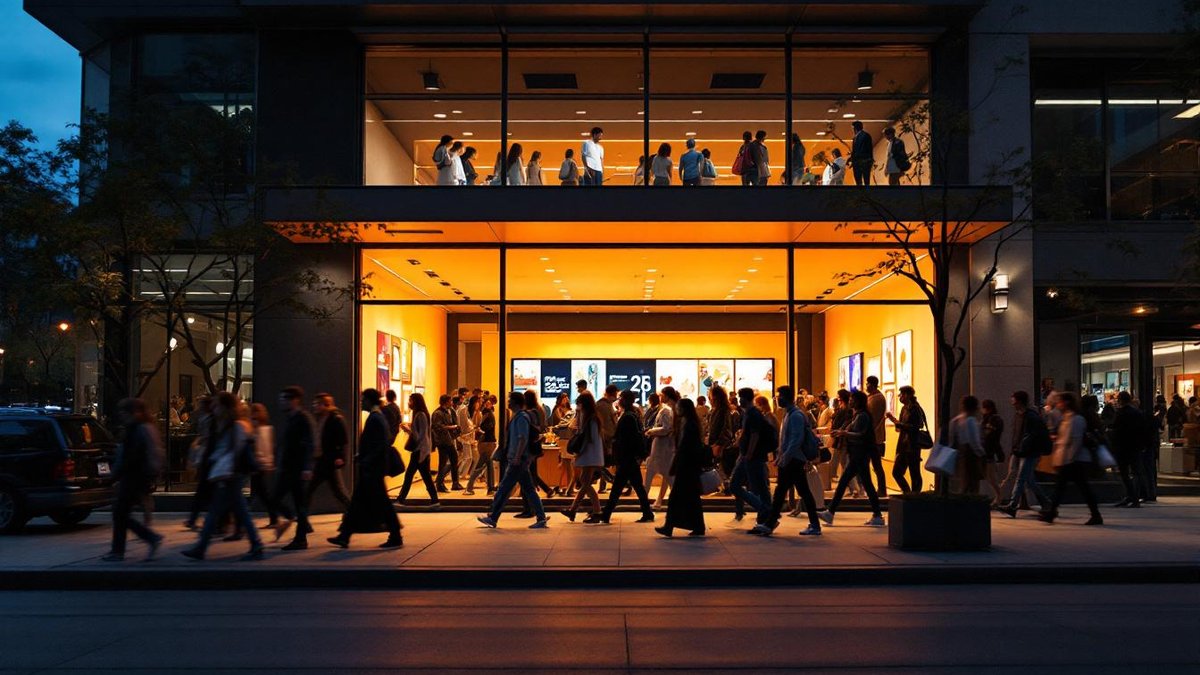
Bad ecommerce design bleeds sales. We watch it happen here in The Woodlands and pretty much everywhere else. Cluttered layouts, slow loads, navigation nobody can follow, it's like inviting people over to a messy house. You lose them before they sit down. Fix these traps and your revenue climbs.

Looks aren't the whole game. Your store has to actually work. We've built gorgeous sites that flopped because they never turned browsers into buyers. So let's pull apart the design errors killing ecommerce sales, and what we tell clients to do instead.
Tangled navigation runs people off. Bounce rates spike, and your future customers go shop with someone else instead. Your site has to feel obvious the second someone lands.
And when visitors hit your store, they want what they came for. Fast. A confusing menu wears them down, and worn-down shoppers leave. This is the mistake we see most. Businesses chase the pretty over the functional.
Good navigation makes sense. We tell clients to keep categories simple and make the search bar impossible to miss. Treat your layout like a treasure map. Hide the treasure, which is your products, and people quit looking. Simple as that. Amazon's navigation works because it sorts products so well that shoppers reach what they want without thinking about it.
Mega menus show every category at once, and that trims clicks between the front door and the checkout, which matters a ton when you sell a huge catalog. Breadcrumbs let people retrace their steps without starting from scratch. We've added breadcrumbs for clients running big inventories and watched navigation get noticeably smoother.
Run usability tests regularly. Pull feedback from real people and watch where the navigation breaks. We use tools like Hotjar for heatmaps and session recordings, so we can see exactly where someone gets stuck. Fix those spots. Then you've got a flow that keeps people poking around instead of bailing.
A slow page loses people instantly. We push speed first, because nothing else you do matters if the site crawls.
Speed runs ecommerce. Your site drags, users bounce. The research is brutal, 53% of mobile users abandon a site that takes more than 3 seconds to load (Google AdSense). That's more than half your buyers gone before they ever see a product.
Optimize images. Trim the code, turn on browser caching. None of this is glamorous, but it works. Every second counts. A fast site keeps people moving toward checkout. And Google found that when load time stretches from 1 second to 5 seconds, the odds of a bounce jump by 90% (Hostinger).
We run Google PageSpeed Insights to find what's dragging things down. Compress images without wrecking quality for a quick win. Swap JPEG or PNG for WebP and you can shave image sizes by up to 30%. Pinterest made that switch and cut image size by 40%, with engagement climbing after. One technical tweak. That's the kind of payoff we're talking about.
Not complicated. Just consistent.
A CDN cuts latency too. Big platforms lean on CDNs to stay fast everywhere on earth. Speed up your site and you win twice, happier users and a better Google ranking, since speed is baked right into the algorithm.
A clunky checkout kills sales, people fill a cart and then bail at the last screen. Strip it down to the fewest steps you can and watch conversions move.
Checkout has to be fast. Lose any of that speed and people bail before they pay. I've watched it happen on plenty of sites. Keep it simple.
We cut steps, flip on guest checkout, and lay out the payment options clearly. Fewer form fields. A progress bar so people know where they stand. Small tweaks, but they move the needle, and the data backs it up. Baymard pegs the average cart abandonment rate near 69.57% (Baymard Institute), and clunky checkouts are one of the biggest culprits.
Amazon's one-click checkout slashes abandonment. And when you hand people PayPal, Apple Pay, or a plain credit card, you stop forcing them into one lane that maybe doesn't fit. Shopify nails this because it plugs into pretty much any payment gateway you throw at it.
Catch people on their way out with an exit-intent popup. A quick discount or a nudge about what's sitting in their cart pulls a lot of them back. Tools like OptinMonster set these up in minutes. Take the friction out and more carts turn into orders.
Ignore mobile shoppers and you're waving goodbye to a huge chunk of your audience. Most people find you on a phone now. Get the site working there or lose them.

More than half of all web traffic rolls in from phones now. If your site fights the small screen, you're slamming the door on a huge slice of buyers. We've watched ecommerce sites bleed revenue right here without ever realizing it.
Mobile work isn't just shrinking the desktop layout. Well, not quite. What I mean is everything has to actually function on a tiny screen, so we test across real devices. Buttons big enough to tap, text you can read without pinching. And Google's mobile-first indexing reads your mobile experience to set rankings now, not your desktop.
Responsive design covers most of that by flexing to any screen size. Google's Mobile-Friendly Test flags the trouble spots. For content-heavy pages, Accelerated Mobile Pages can shave the load time way down. Plenty of news sites serve articles through AMP and they hit phones almost instantly, which keeps readers around.
We design the whole mobile journey, not just a screen. Navigation stays short. Search and checkout live within a tap or two. People thumb through a phone differently than they click a mouse, so we shape it around that. Get mobile right and you open the door to a wider crowd that actually converts.
Thin product info leaves shoppers guessing, and guessing customers don't buy. We always push for real descriptions and sharp images that actually show the thing.
Product details have to pull their weight. People want to know exactly what they're getting before the card comes out. Vague copy breeds doubt. And doubt kills the sale.
List your specs and dimensions, then show people how the thing actually gets used. Shoot it from every angle, in high quality. Add video if it clears up something a photo can't. The more buyer questions you answer right there on the page, the less someone hesitates at checkout. eMarketer found 88% of shoppers say detailed product content moves them toward a purchase, and honestly, that's a number every ecommerce operator we work with feels in their bones.
That's the whole game.
AR lets people drop your product into their own room before they buy. Huge for furniture and home decor, where the wrong size or color ends up as a return slip. IKEA's Place app nailed this. You point your phone at the corner of your bedroom and watch the bookshelf appear before you ever add it to the cart.
And it goes past AR. We tell clients to get customers sharing their own photos and videos. User-generated content shows the honest version, not the styled shot on a clean white backdrop. It builds something like a community too. When somebody in The Woodlands posts a picture of their new couch sitting in their real living room, that photo converts harder than any description I could write you. Give people tangible proof. The doubt that stalls a sale just kind of melts.
Ugly design pushes people away before they read a word. If your site looks sloppy nobody trusts it with their card, so keep it clean and professional.
First impressions hit fast. If your site looks dated or slapped together, people question whether you're legit before they read a single line. Polished, modern design fixes that almost instantly.
Pick a color palette and actually stick to it. Match your typography to your brand. Clean visual design earns credibility and pulls people deeper into the site, which is where conversions live. One study pegged it: 46.1% of people judge a company's legitimacy off its website design alone.
Look at Apple's site. The minimalist layout never gets in your way, the experience just flows. So cut the clutter. Make your call-to-action buttons impossible to miss. And use whitespace on purpose, steering eyes toward the stuff that matters so the important info pops instead of drowning.
But design has to work for everyone. High-contrast colors so people can read. Keyboard navigation that actually functions. Accessibility widens your audience and signals you thought about real humans, not just how pretty it looks. We've watched professional design lift both trust and engagement at the same time.
Skip SEO and you're basically invisible. No traffic, no sales, nobody even knows you exist. We build it in from the start instead of bolting it on later.
SEO is what brings people to the door. Skip it and your store basically disappears, marooned on page four where nobody goes. A lot of Houston-area businesses build a beautiful site, then ask us where all the traffic went. This is usually it.
Work in the keywords that matter. Write meta tags people want to click. Make content folks actually enjoy reading. SEO isn't a set-it-and-forget-it thing, it's ongoing. You update, you refine, you keep showing up. BrightEdge clocked organic search at 53% of all site traffic. That's not a channel you ignore.
Google Analytics and Google Search Console show you where you're winning and where you're falling short. And if you're not blogging yet, start. Keep it consistent, keep it relevant. REI does this well. Their blog pulls in organic traffic on outdoor topics, and that traffic feeds straight into their store. Slow burn, steady payoff.
Simple. Specific. Honest.
Quality backlinks beat volume every time. We partner clients with influencers or industry sites for exposure and traffic that actually converts. SEO takes time, honestly. But whether you're in Spring, Conroe, or anywhere else, the businesses that invest for the long haul keep seeing returns long after the work wraps. Build it right and it pretty much works for you forever.
A weak call to action lets people wander off. Tell them exactly what to do next, plainly and right where they're looking, and more of them follow through.
Your CTA does one job. It tells people what to do next. When it's vague, buried, or just missing, people leave without buying. And I've watched this kill more ecommerce sites than almost anything else.
Use decisive language. Make the button stand out. We test placements and wording to see what actually moves people. A strong CTA guides users and lifts your numbers. Wordstream found emails with a single CTA bumped clicks 371% and sales 161%.
Play with button colors and sizes. A/B testing tells you which combination wins. Keep CTAs above the fold, especially on phones. Dropbox nails this, clear language and contrasting colors that push you toward sign-up.
We customize CTAs around how people behave. A returning visitor sees something different than a first-timer, and that relevance keeps them engaged. It lifts conversions too. Pair a clear CTA with a little personalization, and you give people a reason to act instead of drift off.
No reviews, no trust. Shoppers want to see other people bought the thing and lived to tell about it, so put those reviews front and center.

Reviews carry real weight. They're social proof, and they make people feel safe hitting buy. Without them, buyers hesitate. So many ecommerce sites skip this entirely.
Ask your customers for reviews. Put them right on the product page where people see them. Respond to the good ones and the bad. Reviews swing buying decisions hard. The Spiegel Research Center found showing reviews can lift conversion rates by 270%.
Set up a post-purchase request system. A discount or a few loyalty points nudges people to leave one. Feature your best reviews in your marketing. Amazon runs on purchase confidence because reviews sit front and center on every product page.
And use those reviews to get better. Read the feedback, watch for patterns, fix what's broken. Customers notice when you reply. It signals you're paying attention. Encourage reviews and show them off, and you build the kind of trust that turns browsers into buyers.
Bad support frustrates people and quietly costs you sales. Give them a few ways to reach you, because the customer who can't get help just leaves.
Support is everything in ecommerce. A customer hits a problem, can't find help, and they bail on the cart. Good news. This one's easy to fix.
Give people a few ways to reach you. Live chat, email, phone. Keep your response times tight, and your team has to actually know the products inside and out. HubSpot dug into this, and they found 90% of customers want an "immediate" answer the second a service question pops into their head.
Chatbots handle the repetitive stuff well, they answer the common questions on the spot and free your team up for the messy problems that actually need a human. And your contact details? Easy to find. Zappos earned loyalty with around-the-clock support and a 365-day return window (which is wild, honestly), so buying from them felt almost risk-free.
Build your FAQ around what people actually ask, not what you guess they'll ask. Users find their own answers, your support queue gets lighter. We tell clients to update it off the real questions rolling in. Good support keeps people coming back. Simple as that.
Cut corners on security and you're gambling with customer trust. One scare and they're gone. Lock the data down properly.
Most ecommerce owners underrate this one. Your customers have to trust their data is safe the second they hit checkout, and without real security behind it, you lose the trust and the sale right along with it.
Install an SSL certificate so the data gets encrypted. Put your trust badges and security seals where people can actually see them. The Baymard Institute found 18% of users bail on a cart over worries about their credit card info. Nearly one in five sales, gone.
Update your software and plugins on a schedule, because old code is where the holes are. Two-factor authentication adds another layer worth having, and telling customers what you're doing to protect them builds confidence right there at the cart. PayPal built its whole pitch on secure transactions, and that trust didn't happen by accident.
Worth saying plainly.
Run security audits on a regular cadence, you want to find the weak spots before someone else does. Bring in cybersecurity people if you need them. Stay proactive and you protect your customers and your reputation in one move. Build the infrastructure right, and customer confidence follows.
Personalization makes the whole thing feel built for the person browsing. Show them content and offers that actually fit, and they stick around and spend more.
Personalization works. Tailor the shopping experience and people engage more, they buy more. It comes down to using data to figure out what someone actually wants, then dropping matching content and offers right in front of them.
Look, Amazon's whole edge leans partly on this, they recommend products off your browsing and purchase history. It makes the experience better, it makes buying more likely. And personalized emails hit hard too, they pull six times the transaction rate of generic ones. Six times.
Start by segmenting your audience. Demographics, behavior, whatever fits. Then push targeted content and product suggestions off that data. But start simple. Get the segmentation right first, add the fancy stuff later. Done well, it lifts satisfaction and sales together.
Social media puts you in front of people who'd never find you otherwise. We use it to start conversations and feed steady traffic back to the store.

Social media runs ecommerce now. We use it to reach more people, talk to potential customers, pull traffic back to a client's site. Instagram and Pinterest work especially well for showing off products since they're built around images.
Post good stuff, and post it often. Product shots, videos, content your customers made themselves. We push clients to get their buyers sharing how they actually use a thing, that builds a community trust no paid ad can fake, it works in a way ads never quite manage. And social ads pair with this nicely (they let you zero in on the exact people who'd care).
Influencer partnerships open doors you'd never reach cold. They borrow trust that's already built with a follower base. In The Woodlands and Houston, I've watched local ecommerce brands take off from regional influencer campaigns that cost way less than traditional advertising. Grow your social footprint with a plan, the site traffic follows.
We go deeper on web design mistakes to avoid in Web Design Mistakes That Cost You Customers.
Confusing navigation. It frustrates people, it buries your products, and the whole thing snowballs. Build something intuitive and organized, and engagement climbs right alongside sales. Get this part wrong and honestly, everything else on the site fights against you. Sound familiar?
Speed and sales are tied tighter than most people think. A slow site means people bounce, and a bounce is a sale you never made.
People expect pages to load fast. A slow ecommerce site loses users before they ever click buy, before they even see what you're selling. We optimize speed because that's how you keep visitors around, that's how you turn them into customers.
A site that works across screen sizes means you're not shutting out a pile of buyers before they even spot your products. Businesses in The Woodlands and Houston underestimate how fast a bad mobile experience pushes people off. One awkward tap target, a form that won't load right, and they're gone. And they're not coming back.
This part trips people up.
Product descriptions hand shoppers the info they need to buy. Skip them and sales die fast.
Nobody can touch or hold a product online, so your words do that job instead. Dimensions, materials, compatibility notes. Each one shrinks the gap between "I'm interested" and "I'm buying." But generic manufacturer copy won't cut it. Write like you're answering a question a real customer already typed into Google.
Look, reviews give shoppers a reason to believe what you say about a product. They read real feedback on quality, on fit, then they decide. We see this constantly with local service businesses, the brands that move reviews higher on their product pages tend to convert better, and it's not subtle either. People trust people. That's the whole thing.
We've put over $50 million into our clients' pockets. That number means something. Our team here in The Woodlands builds sites that actually convert, and we've gotten pretty good at it over the years. Let us point that at your ecommerce platform. Want to see what we can do? Reach out and we'll put together a review built around your store. Get in touch with us.
LATEST POSTS