

Why does the website footer matter? Isn’t it just a spot for legal disclaimers and copyright notices? Do users even scroll down that far? We’ve seen Houston businesses turn their fortunes around by rethinking this small but mighty space. The trick is to treat it like a mini-website of its own, packed with value.
Your website footer is not just an afterthought. It's a powerful tool that can shape user experiences, boost conversion rates, and drive SEO. A well-designed footer provides easy access to helpful pages and contact information, improving user experience by offering visitors a convenient way to navigate your site. A well-designed footer can significantly boost conversion rates and drive SEO. The footer is a strategic place to include keyword-rich links that help search engines like Google crawl your site more effectively.
Not only does a footer improve navigation, but it also serves as a mini sitemap. A well-structured footer helps users quickly jump to other areas without having to scroll back up. This makes it an essential part of your website's overall design strategy. In the bustling business environment of Houston, where competition is fierce, having a footer that enhances user experience can set you apart from competitors who might overlook this critical component. Consider the footer as an opportunity to reinforce your brand's message and values, making it a consistent part of the user's journey through your site.
Incorporating essential elements into your footer can make a monumental difference. First, include clear and concise contact information. This builds trust by showing there are real people behind your site. A well-placed call to action (CTA) in the footer can convert passive visitors into active customers. A well-placed CTA at the bottom of your site, like a newsletter sign-up or free trial button, can convert passive scrollers into active customers.
Footers are effective places to add calls-to-action since they are often the last thing visitors see. This is a prime opportunity to invite them to take action. By including important links, you can guide users to pages that drive conversions, such as product pages or contact forms. Convenience, convenience, convenience. In Houston, where local businesses thrive on community engagement, including links to social media profiles can drive interaction and foster a sense of connection with your audience. Consider adding testimonials or brief snippets of customer reviews in the footer to further build credibility and trust.
Designing an effective footer involves more than just aesthetics. It requires thoughtful consideration of layout, color, and typography. Ensure your footer design aligns with the overall theme of your website. Consistency in design elements reinforces brand identity and creates a cohesive user experience.
Use contrasting colors to make your footer stand out without clashing with the rest of your site. This helps draw attention to important elements like CTAs. Keep the typography simple and legible. Overly decorative fonts can distract from the message and make information harder to read. For Houston businesses, using local imagery or references in the footer can create a sense of familiarity and pride, resonating with local customers. A Houston-based restaurant, for example, might include images of iconic cityscapes or local landmarks in their footer design to reinforce their community ties.
With the steadily-increasing use of mobile devices, optimizing your footer for mobile is crucial. 57% of internet users say they won’t recommend a business with a poorly designed website on mobile. Additionally, 85% of adults think that a company’s website on mobile should be as good or better than its desktop website. 57% of internet users say they won’t recommend a business with a poorly designed website on mobile. This means your footer must be responsive and easy to navigate on smaller screens.
Simplify the content in your mobile footer to prioritize essential information. Use collapsible menus to save space and improve usability. Ensure all links and buttons are large enough to be easily tapped with a finger. We need to act quickly. In a diverse city like Houston, where people are often on the move, having a mobile-optimized footer ensures that potential customers can access your business information quickly and efficiently. Consider incorporating location-based services or maps in your mobile footer to help users find your physical location with ease.
A well-designed footer can drive SEO benefits by including keyword-rich links. These links help search engines understand the structure of your site and the importance of different pages. By strategically placing these links in your footer, you can improve your site's visibility in search engine results.
Footers can also enhance your site's overall SEO by increasing the number of internal links. This helps distribute page authority throughout your site, boosting the SEO performance of individual pages. We cannot afford to fall behind. For Houston businesses aiming to capture local search traffic, incorporating local keywords and phrases in the footer can improve search rankings and attract more local customers. For example, a Houston-based coffee shop might use terms like "best coffee in Houston" or "Houston coffee shop" in their footer links to target local search queries.
Understanding user behavior is key to optimizing your footer. Use tools like Google Analytics to track how users interact with your footer. Analyze metrics such as click-through rates on footer links and the time users spend on pages accessed through the footer.
This data can reveal which elements of your footer are most effective and which need improvement. By continually refining your footer based on analytics, you can enhance its performance and drive more conversions. These figures make a straightforward rationale. For Houston businesses, analyzing local traffic patterns can provide insights into how different segments of your audience interact with your site, allowing you to tailor your footer content to better meet their needs.

Looking at real-world examples can provide inspiration for your own footer design. Consider the footer of major brands like Apple or Amazon, which effectively balance simplicity with functionality. These footers include essential links, contact information, and CTAs, all while maintaining a clean and organized layout.
For Houston businesses, local examples can be particularly insightful. Take a look at the footer of a successful local business, such as a popular restaurant or retail store. Notice how they incorporate local elements, such as community events or partnerships with other local businesses, to create a sense of community and engagement. These elements not only enhance the footer's functionality but also contribute to a stronger brand identity.
While designing your footer, be aware of common mistakes that can undermine its effectiveness. Avoid cluttering the footer with too much information. A cluttered footer can overwhelm users and detract from the overall user experience.
Ensure that all links and buttons are functional. Broken links can frustrate users and damage your site's credibility. Additionally, avoid using overly complex language or jargon that might confuse users. Keep the language simple and direct to ensure clarity and accessibility. For Houston businesses, it's important to consider cultural and linguistic diversity when crafting footer content, ensuring that it resonates with a broad audience.
Social proof can be a powerful addition to your footer. By including elements such as customer reviews, testimonials, or logos of well-known clients, you can build credibility and trust with your audience.
For Houston businesses, consider highlighting partnerships with local organizations or featuring endorsements from local influencers. This not only strengthens your brand's reputation but also emphasizes your connection to the local community. Social proof can be a decisive factor for potential customers who are evaluating your business, making it an essential component of a high-converting footer.
Ensuring your footer includes necessary legal and compliance information is crucial. This might include privacy policies, terms of service, and disclaimers. These elements not only protect your business legally but also build trust with your users by demonstrating transparency and responsibility.
For Houston businesses, staying compliant with local regulations and industry standards is essential. Consider consulting with a legal expert to ensure your footer meets all necessary legal requirements. This proactive approach can prevent potential legal issues down the line and contribute to a positive user experience.
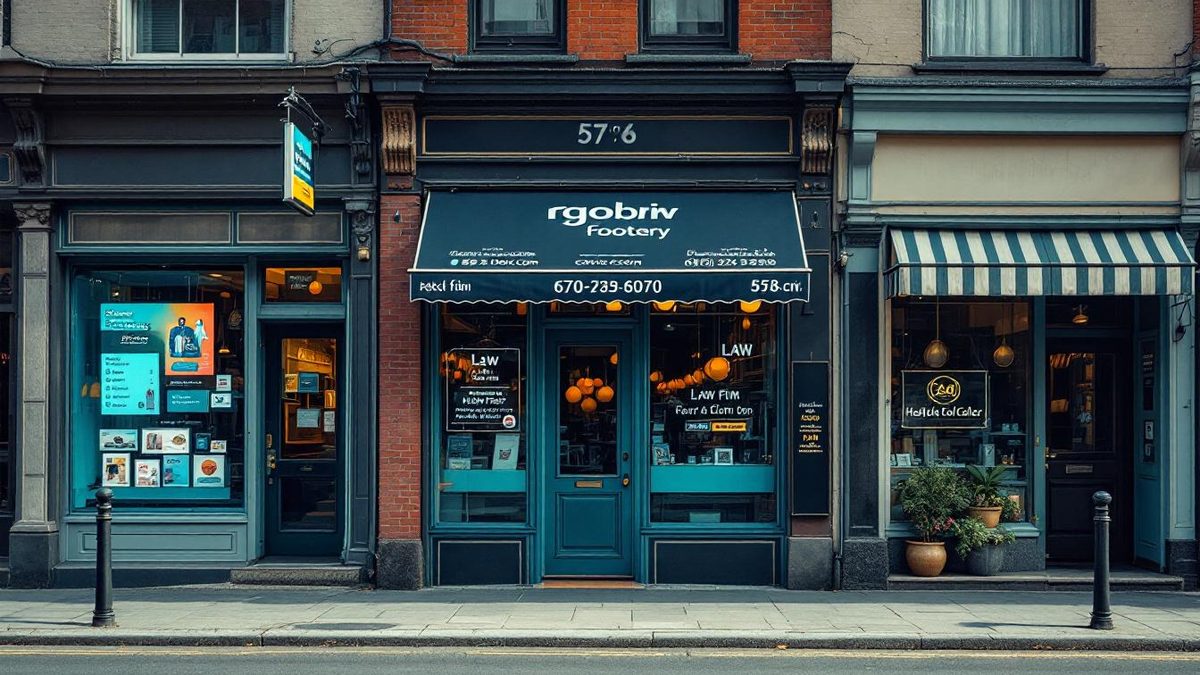
Different industries have unique needs when it comes to footer design. For example, an e-commerce website might prioritize links to product categories and customer service pages, while a law firm might focus on contact information and legal disclaimers.
Houston's diverse business landscape means that customization is key. wether you're in hospitality, retail, or professional services, tailor your footer to reflect the specific needs and expectations of your industry. This targeted approach can enhance user experience and drive more conversions by addressing the unique concerns of your audience.
Your footer offers a unique space to reinforce your brand's identity. By incorporating your logo, brand colors and tagline, you can create a cohesive brand experience that extends to every corner of your website.
Houston businesses can capitalize on this by incorporating elements that reflect their local roots, such as a tagline that highlights their commitment to the Houston community or a logo that incorporates local symbols. This not only strengthens brand recognition but also fosters a deeper connection with local customers who value businesses that support their community.
Interactive elements in your footer can enhance user engagement and encourage visitors to explore more of your site. Consider adding features like a newsletter sign-up form, a quick contact form, or even a chatbot for immediate assistance.
For Houston businesses, interactive footers can provide a direct channel for customer feedback or inquiries, allowing you to respond quickly and effectively to customer needs. This level of engagement can set your business apart in a competitive market, demonstrating your commitment to customer service and satisfaction.
Incorporating elements of local culture into your footer can create a unique connection with your audience. This can include local slang, cultural references, or even language options for non-English speaking residents. Houston’s rich cultural diversity offers a wealth of opportunities to tailor your footer to resonate with different community segments.
For example, a local Houston boutique might include links to blog posts about local fashion trends or events. This not only makes your website more relatable but also positions your business as a community-focused entity. By celebrating local culture, you engage with your audience on a more personal level, which can lead to increased loyalty and word-of-mouth referrals.
Your footer can be a powerful tool to support your digital marketing efforts. By including links to your latest blog posts, social media profiles, and promotional offers, you can drive traffic to key areas of your website and encourage conversions.
For Houston businesses, this might involve featuring links to seasonal promotions or events that are relevant to the local community. By aligning your footer content with your broader marketing strategy, you can create a cohesive and engaging user experience that supports your business goals.
A website footer is crucial for conversions as it provides a last opportunity to engage users and drive actions. By including CTAs and important links, you can guide users to take the desired actions before they leave your site.
Include essential elements such as contact information, CTAs, important links, and social media icons. Ensure the design aligns with your overall brand identity and provides a clear path for users to navigate your site.
Optimize your footer for mobile by simplifying content, using collapsible menus, and ensuring all links and buttons are easily tappable. Make sure it is responsive and provides essential information without overwhelming users.
A footer impacts SEO by including keyword-rich links and increasing the number of internal links. This helps search engines understand your site's structure and boosts the SEO performance of individual pages.
Track metrics such as click-through rates on footer links, user interaction with footer elements, and the time users spend on pages accessed through the footer. Use this data to refine and enhance your footer's performance.
We may not immediately feel the total benefit of implementing these strategies, but their impact will significantly influence the future of your website. If you're ready to create a high-converting footer for your website, contact us at Skratch Creative. Let's work together to propel your business forward.
LATEST POSTS