
Is your logo looking a bit tired? Does it still reflect who you are today? Does it engage your audience and make you proud every time you see it? If the answer to any of these questions is 'no,' then it's time for a change. In a city as vibrant as Houston, your logo should be nothing less than a modern masterpiece.

Design trends change rapidly. What was stylish a decade ago may now look outdated and out of touch. If your logo reflects outdated design trends, it might not resonate with today's audience. Fast-paced industries like technology and fashion often require more frequent updates to stay current. But even in more traditional sectors, a logo that feels stuck in the past can deter potential customers.
Consider the evolution of major brands. Take Apple, for instance. Their logo has undergone several transformations since the 1970s, each time aligning with contemporary design aesthetics and technological advancements. Similarly, Pepsi has updated its logo multiple times to keep pace with changing consumer preferences and design trends. These examples illustrate the importance of staying current. If your logo looks like it belongs in a different era, it might be time to refresh.
For Houston businesses, staying relevant is crucial in a competitive market. The city is home to a diverse range of industries, from energy to healthcare, and each sector has its own design expectations. A logo that aligns with current trends can help your business stand out and appeal to modern consumers. Consider consulting with a local design expert who understands the nuances of Houston's market and can tailor your logo to fit both your brand and the city's unique vibe.
Has your business evolved? If your company has expanded its services, changed its mission, or undergone a merger, your logo should reflect these changes. 80% of mergers and acquisitions trigger rebrands. A logo that aligns with your current brand identity can create a stronger connection with your audience and communicate your new direction effectively.
Consider a local example: the Houston-based company, Phillips 66. After its spin-off from ConocoPhillips, it needed a new identity to represent its independent operations. The rebranding included a logo update that signified its renewed focus and direction. This change not only marked a new chapter for the company but also helped it communicate its standalone identity to stakeholders and customers alike.
For small businesses in Houston, a logo update can signify growth and adaptability. wether you've expanded your product line or entered new markets, your logo should encapsulate these developments. A refreshed logo can signal to your customers that your business is dynamic and forward-thinking, ready to meet their evolving needs. If your current logo no longer represents your business accurately, it's time to consider a redesign.
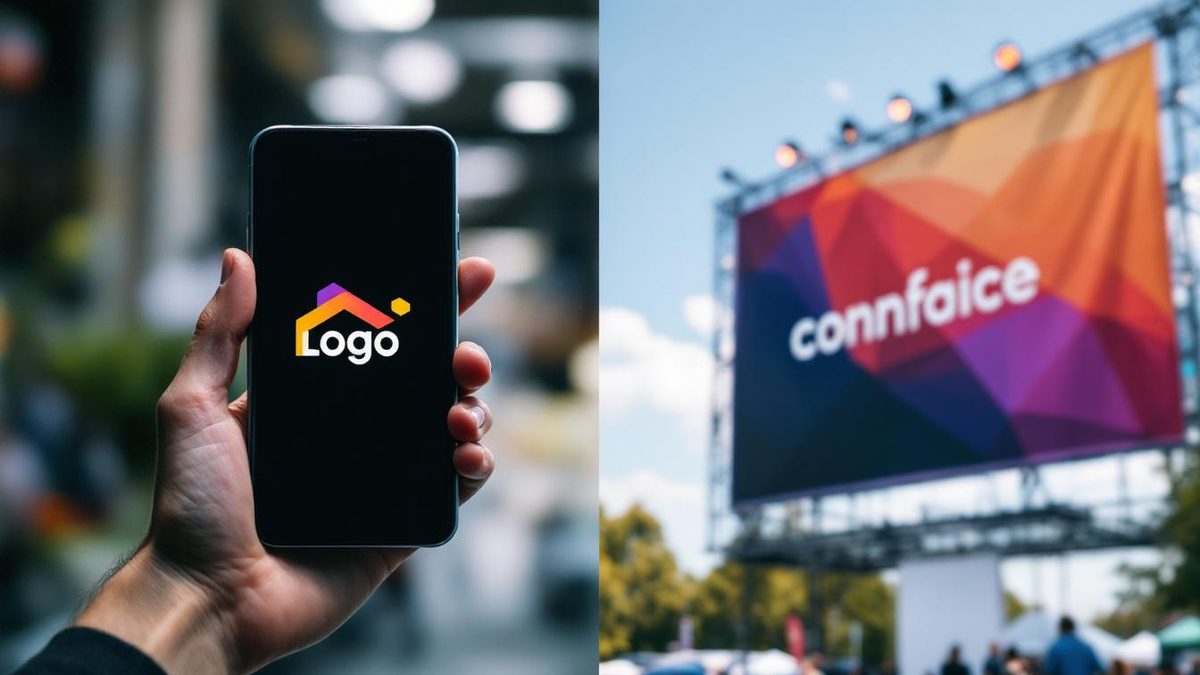
Your logo needs to be versatile. It should look good on everything from business cards to billboards. If your logo doesn't scale well or loses its impact in different formats, it might be time for a redesign. Versatility is crucial in today's multi-platform world where your logo appears on websites, social media, and print materials.
Imagine your logo on a small smartphone screen versus a large conference banner. It must maintain clarity and impact in both scenarios. For instance, Nike's swoosh is a model of versatility. It's simple, recognizable, and effective across all mediums. If your logo is too detailed or complex, it might not translate well across different formats, leading to a loss of brand recognition.
In Houston, where businesses often participate in trade shows and community events, a versatile logo ensures consistent brand messaging. Whether you're sponsoring a local festival or advertising in a city publication, your logo should be adaptable enough to maintain its integrity and effectiveness. If your current logo struggles with this, it's time to rethink its design.
Color plays a significant role in brand recognition. Research shows that color increases brand recognition by up to 80 percent. If your logo's colors are not resonating with your audience or are inconsistent with your brand's message, consider updating them. The right color palette can enhance your brand's identity and make it more memorable.
Consider the impact of color psychology. Blue often conveys trust and professionalism, making it a popular choice for financial institutions. Red can evoke excitement and passion, ideal for brands looking to make a bold statement. For example, Houston Rockets, the city's NBA team, uses red to symbolize energy and dynamism, perfectly aligning with its brand identity.
For Houston businesses, choosing the right colors can set you apart in a crowded market. Think about how your colors reflect your brand's personality and values. Are they aligned with your message? If not, it might be time to consult with a designer to develop a color palette that truly represents your brand and resonates with your target audience. A well-chosen color scheme can significantly enhance brand recall and customer loyalty.

Inconsistency can harm your brand. A consistent presentation of a brand can increase revenue by more than 20%. If your logo doesn't match the look and feel of your other branding elements, it might be time to update it. Consistency across all platforms ensures a unified brand image.
Imagine a customer visiting your website and seeing a logo that differs from the one on your social media profiles or print materials. This inconsistency can confuse customers and weaken brand trust. For instance, Coca-Cola maintains a consistent logo and branding across all channels, reinforcing its identity and ensuring that customers recognize and trust its products.
In Houston, where businesses often engage in both local and digital marketing, maintaining consistency is key. Whether you're using your logo on a billboard along I-45 or on your social media pages, it should convey the same message and quality. If your branding elements are disjointed, it's time to bring them together with a cohesive logo design.
Listen to your customers. If you're receiving negative feedback about your logo, don't ignore it. Customers are the lifeblood of any business, and their opinions matter. A logo that doesn't resonate with your audience can lead to a disconnect between your brand and its consumers.
Consider the example of Gap's logo redesign in 2010. The company faced significant backlash after unveiling a new logo, leading to its quick reversal back to the original design. This incident highlights the importance of considering customer feedback and ensuring that any changes align with consumer expectations.
For Houston businesses, engaging with your local community can provide valuable insights into how your logo is perceived. Consider conducting surveys or focus groups to gather feedback before making any drastic changes. Understanding your audience's preferences can guide a successful logo redesign that strengthens your brand's connection with its customers.

How long has it been since your last logo update? On average, businesses revisit their logos every 7 to 10 years. If it's been a decade or more since your last update, it might be time to consider a refresh. An updated logo can reflect the growth and evolution of your business over time.
Consider McDonald's, a brand that has subtly evolved its logo over the years to stay relevant while maintaining its iconic golden arches. This approach allows the company to remain recognizable while adapting to modern design sensibilities. For small businesses in Houston, updating your logo can signal to customers that your business is thriving and keeping pace with industry changes.
Regularly reviewing your logo ensures it continues to align with your business goals and market trends. If your logo has remained unchanged for a significant period, consider how a redesign could rejuvenate your brand's image and appeal to a new generation of consumers.
Updating a logo is an investment. Minor refreshes of a logo can take 1-2 months and cost between $7,500 and $60,000. Weigh the costs against the potential benefits of increased brand recognition and revenue. Remember, a well-designed logo can pay for itself over time by attracting more customers.
For Houston businesses, consider the long-term value of a logo redesign. A refreshed logo can differentiate your brand in a competitive market, attract new customers, and reinforce your brand's identity. It's important to work with experienced designers who understand your business goals and can deliver a logo that aligns with your vision.
Additionally, consider the timing of your redesign. Aligning a logo update with a significant business milestone, such as a product launch or anniversary, can amplify its impact. A strategic approach to redesigning your logo can maximize its effectiveness and contribute to your business's success.
Sometimes, a logo update isn't enough. If your business has undergone significant changes, a complete rebrand might be necessary. This involves not just updating your logo but also revisiting your brand's messaging, identity and positioning in the market. A rebrand can be a powerful tool for businesses looking to redefine themselves and capture new opportunities.
Consider the example of Dunkin' Donuts, which rebranded to Dunkin' in 2019. This change reflected its broader focus beyond just donuts, emphasizing its coffee and beverage offerings. The rebrand included a new logo, updated store designs, and a refreshed marketing strategy. For businesses in Houston, a rebrand can signal a new chapter and attract a broader audience.
If your business is struggling to connect with its target market or if you're entering new industries, a rebrand can help reposition your brand and communicate your new direction. It's a significant undertaking, but when done correctly, it can propel your business to new heights.
In today's digital world, your logo needs to be optimized for online platforms. This means considering how it appears on websites, social media, and mobile devices. A logo that looks great on a desktop might not translate well to a mobile screen. Ensuring your logo is digital-ready is crucial for maintaining a strong online presence.
For instance, Google has adapted its logo over the years to ensure it remains clear and recognizable across all digital platforms. The simplified design enhances its visibility and impact in various digital contexts. For Houston businesses, consider how your logo appears in digital formats and whether it effectively communicates your brand in the online space.
Additionally, consider incorporating elements that resonate with digital audiences, such as dynamic colors or interactive elements. A logo that aligns with digital trends can enhance your brand's online engagement and presence.
Houston's market is unique. Understanding local preferences can influence your logo's success. Houston's diverse population means a one-size-fits-all approach won't work. Consider the cultural and economic factors that define the city. A logo that resonates with Houston's community can foster stronger connections and brand loyalty.
For instance, a business located in the heart of Houston might benefit from a logo that reflects the city's vibrant arts scene or its strong ties to the energy sector. Tailoring your logo to reflect local culture can make your brand more relatable and appealing to Houston residents. Engaging with local designers who understand the market can provide valuable insights into creating a logo that captures the essence of Houston.
Feedback is invaluable. Use it to drive improvements in your logo design. Engage with your customers and stakeholders to gather insights into their perceptions of your logo. Constructive feedback can highlight areas for improvement and ensure your logo aligns with customer expectations.
Consider creating a feedback loop where you regularly solicit opinions from your audience. This can be done through surveys, social media polls, or direct conversations. By actively seeking feedback, you demonstrate your commitment to meeting customer needs and improving your brand's image. Incorporating feedback into your logo redesign process can lead to a more effective and impactful logo that resonates with your audience.
Recognizing the signs that it's time to update your logo can propel your business forward. A refreshed logo can enhance your brand's identity, resonate with your audience, and ultimately drive growth. We may not immediately feel the total benefit of implementing this change, but its impact will significantly influence the future of our organization.
Most experts recommend reviewing your logo every 5–10 years to ensure it aligns with your company and resonates with your audience.
Signs include outdated design trends, brand evolution, lack of versatility, poor color choices, inconsistent branding, negative feedback, and business longevity.
A logo update can increase brand recognition, attract new customers, and create a unified brand image across platforms. Consistent branding can increase revenue by up to 33%.
Minor refreshes can cost between $7,500 and $60,000 and take 1-2 months to complete.
Fast-paced industries like technology and fashion often require more frequent updates to stay current. Consider reviewing your logo more often if you operate in these sectors.
If you're considering a logo update, we invite you to contact us at Skratch Creative. Let's create a logo that truly represents your brand and resonates with your audience.
LATEST POSTS