
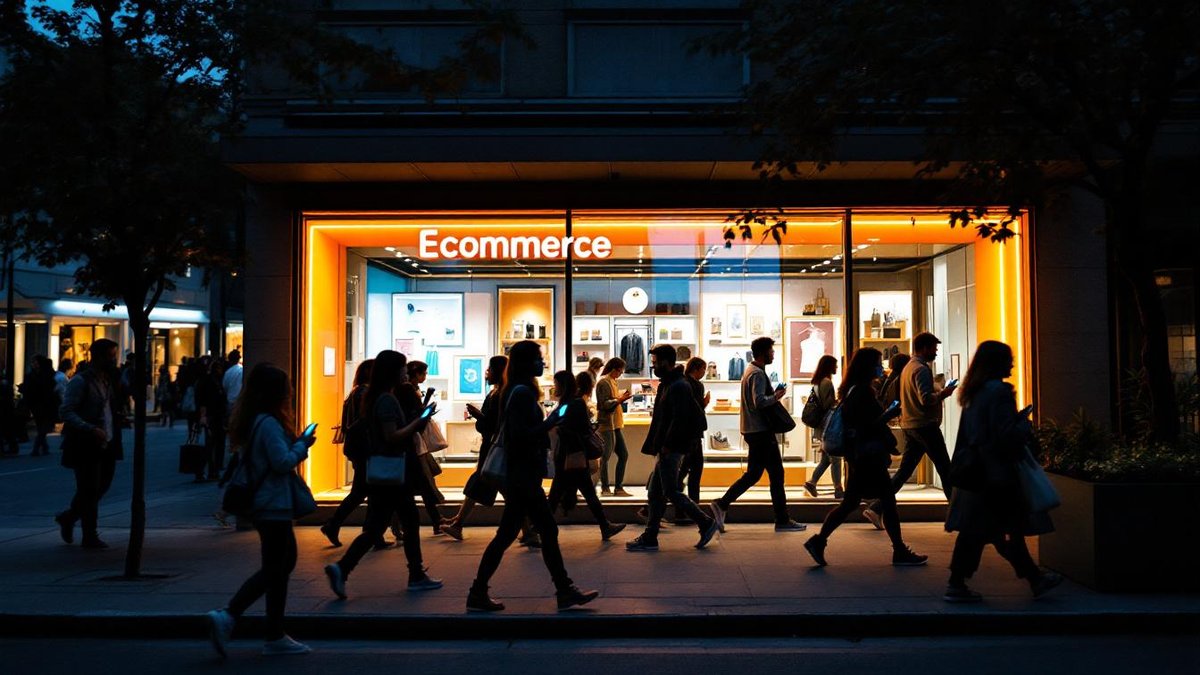
Ecommerce optimization comes down to turning visits into sales. We do that by refining how people move through your store and tightening the SEO underneath it. None of this is guesswork. We're based in The Woodlands, and we've watched these moves change the numbers for real shops, the small stuff most people skip is usually where the wins hide.

Look, prettying up your site isn't the point. We're optimizing how the thing runs for you and for the people buying from you, more sales, a cleaner journey. And in a spot like The Woodlands, where everybody's fighting for the same customers, these tweaks move the needle.
Speed matters more than people think. Fast pages convert better, and folks actually stick around. We get there by compressing images, switching on browser caching, and killing the HTTP requests that drag everything down.
Site speed makes or breaks your store. One second of delay can chop conversions by 7%, that's huge, and people today expect pages to show up instantly. If your site crawls, shoppers in The Woodlands bail before they ever buy. Sound familiar?
Start with your images. Big files choke your load times, so we compress them without wrecking the quality, TinyPNG and ImageOptim both do the job fine. Then there's browser caching, which parks some data in a visitor's browser so return trips load faster.
Cutting HTTP requests is the next lever. Every piece of a page, your images, your scripts, fires off its own request, and more requests mean a slower load. We merge files and toss the dead weight. If your homepage is loading five separate CSS and JavaScript files, we bundle them into one (your visitors will never notice, but the load time will).
A CDN helps too. CDNs keep copies of your site on servers around the world, so latency drops. For a Woodlands shop selling nationwide, that means customers everywhere get a quick load, and Cloudflare plays nice with pretty much any ecommerce setup.
Watch your server response times. A laggy server kills every front-end trick you pull. So we check the hosting plan regularly to see if it can actually handle the traffic. Bumping up server resources, or moving to a dedicated box, sometimes changes everything.
Here's the thing nobody says out loud. If your site is a pain to navigate, people leave, full stop. So we simplify it, clean categories, a search bar you can't miss. Amazon nails this, you filter by whatever you want and the whole thing just feels easy.
Mobile has to work. A huge slice of your traffic shows up on phones, and your site has to behave across every screen size, so we test it on real devices and fix what breaks. And being mobile-friendly runs deeper than fitting a screen, it's whether someone can actually shop without rage-quitting. Google's mobile-friendly test will point out what's broken.
Not complicated. Just consistent.
Design works best when it feels obvious. We tell clients to let whitespace breathe so the page never feels crammed. Pull the eye toward the stuff that matters, the offers, the buttons people actually click. A site built well walks shoppers toward the checkout without them noticing the nudge, less friction, more sales. Apple's site does this beautifully, all that empty space steering your focus exactly where they want it.
And accessibility matters just as much. Your site has to work for everyone, including people with disabilities. Add alt text to your images, throw transcripts on your videos, make sure someone can tab through the whole thing with a keyboard. WAVE is a free tool that flags the gaps for you (honestly, it catches stuff you'd never spot yourself). You widen your audience and your SEO climbs at the same time.
Good ecommerce SEO starts with product descriptions that actually say something, and then weaving in the keywords people search for. Site architecture counts too. Get those right and you'll show up more, with more organic traffic coming through.

SEO carries your ecommerce store, full stop. Skip it and you've basically opened a shop in a back alley nobody walks down. Start with the product descriptions. Make them specific, detailed, and stuffed with the words your buyers use. Generic copy tells the customer nothing, so cut it.
Keywords are where organic traffic begins. Google Keyword Planner shows you what your audience types into search, so go dig through it and pull the terms that fit. Then work them into titles and descriptions like a human wrote them. But ease off. Cram too many in and Google drops your rank instead of raising it. We push clients toward long-tail keywords, the specific stuff, because those searches convert way harder than the broad ones (Shopify) ever do.
Look, a solid site structure lifts your SEO more than people expect. When your hierarchy is clear, search engines actually understand what you're selling. Add breadcrumb navigation, build a sitemap, and indexing gets a whole lot easier. This is where we see local service businesses trip constantly, they pour everything into content and ignore the technical side completely. Clean, descriptive URLs change how Google reads and ranks every single page.
And don't sleep on local SEO if you've got a physical store. Tune up your Google My Business listing, ask happy customers for reviews, keep your NAP (Name, Address, Phone number) identical everywhere it appears. Local SEO pulls foot traffic through your door, and it builds your visibility across Spring, Conroe, and the wider Houston region too.
Strong images and video do a lot of heavy lifting. They give shoppers a real look at what they're buying, which makes the decision way easier.
Visuals do heavy work in ecommerce. They communicate fast. Sharp images and video hand your customer a real sense of the product, the texture, the color, the little details that flat photos hide. That clarity moves the buying decision more than most owners ever realize.
So spend the money on real photography. Clean, well-lit shots make your product look better and your brand look trustworthy. Show it from every angle, get in close. Video pushes further, showing how the thing actually works in someone's hands. Zappos built part of its name on product videos that show exactly how a shoe fits and moves, and buyer hesitation drops because of it. Sound familiar?
That's the whole game.
Visuals do more than look pretty. They build trust. People buy from sites that feel professional, and here in The Woodlands, where shoppers have options on every corner, strong visuals are how you stand out. And don't sleep on user-generated content, customer photos and reviews carry an honesty that polished studio shots just can't fake.
AR makes the shopping part better, too. IKEA lets customers drop a couch into their living room before they buy, and that kind of confidence cuts returns while helping people decide faster.
Streamlining checkout means cutting the extra steps, giving people a few ways to pay, and locking down security so they feel safe. Do that well and you'll see fewer abandoned carts.
Look, a ton of sales die right at checkout. Complicated processes scare people off, so we simplify. Fewer steps, fewer clicks, more completed sales. It's that direct.
Give people options to pay. Not everyone reaches for the same card, so we set clients up with credit cards, PayPal, digital wallets, all of it. And keep it secure the whole way through. SSL certificates and security badges tell shoppers their info is safe (people absolutely notice when those go missing). Amazon's one-click checkout is still the gold standard for fast and safe.
Test your checkout regularly, hunt down the friction. We see local service businesses stumble here constantly, they pour energy into getting people to the cart and then ignore the part where folks actually pay. An abandoned cart recovery system, the kind that emails a quick reminder when someone walks away, pulls a lot of those sales back.
Let people check out as guests. Force an account on someone and they bounce, they're gone, you lost them. Let them buy first, then nudge them to make an account after the sale. Fewer barriers, better conversion. Sound familiar?
Customer reviews are gold. They're social proof, they tell a nervous buyer that other people already had a good run here. Put reviews right on the product page, and when criticism shows up, handle it like a pro. That builds credibility too.

Ask for reviews with a post-purchase follow-up. A small discount on a future order works well as a thank-you. More reviews, more trust, and products with a stack of reviews tend to outsell the ones sitting at two or none.
And mix in user-generated content. Customer photos and videos of your product out in the real world can land harder than any glossy marketing shot, because they show real people actually using it. ASOS does this constantly with customer images.
Trustpilot or Yelp help you gather and show off reviews. They boost your credibility, and they hand you extra content and backlinks that feed your SEO.
Voice search optimization comes down to writing the way people actually talk, leaning into question-style phrasing, and making sure everything works on mobile. And honestly, voice searches keep climbing, so this isn't optional anymore.
Voice search keeps climbing. Alexa and Google Home sit on kitchen counters everywhere now, so we tell clients to write the way people actually talk. Typing and talking aren't the same. Voice queries come out conversational, full questions, the way you'd ask a friend.
So write the way people speak, not the way they peck at a keyboard. And lean into question-based keywords. Swap "buy sneakers" for "where can I buy sneakers online?" That's how someone phrases it out loud to a speaker on their counter.
Mobile matters here too. Most voice searches happen on phones, so your site loads fast and behaves on a small screen, or it loses out completely. That's how you grab a market that grows every single month. And local SEO pulls weight, since a ton of these searches are location stuff like "find a pizza place near me."
Simple. Specific. Honest.
Build an FAQ page. Voice assistants pull answers straight off those pages, so a strong one bumps your odds of showing up when somebody asks a question out loud.
Personalization just means shaping the shopping experience around what each customer actually wants, and it pushes engagement and conversions up. We dig into data analytics to read how people behave and what they're into.
Personalization changes how a store feels, top to bottom. Shape your content around what a customer actually likes, and engagement climbs, conversions follow right behind it. Netflix is the easy example here. Their recommendation engine watches what you watch, it keeps suggesting more, and it keeps you parked on the couch way longer than you planned.
So we read the data. Browsing history, purchase patterns, basic demographics (the unglamorous stuff), all of it tells a story. And that story shapes marketing and product picks that actually land. Google Analytics and your CRM hand you the insight, you just have to sit down and read it.
Tailored email campaigns earn their keep. Segment your audience by what they do and what they care about, then send messages that fit. Open rates rise, clicks rise, sales follow. We see this work constantly with local service businesses, every recommendation in the email traces back to what the customer browsed last week.
AI personalization tools read data in real time, they shift recommendations as someone clicks around, and the whole thing gets stickier. When it feels relevant, conversions follow. Every time.
Securing your store comes down to SSL certificates, payment gateways you can trust, and software you actually keep updated. That's what protects customer data and earns their trust.

Here's the thing nobody says out loud. Security isn't optional for an online store. People hand you their card number, and they have to trust you with it. SSL certificates encrypt that data and lock down the sensitive bits. Put your security badges somewhere customers actually see them, that little signal does real work.
And run payment gateways that meet PCI DSS standards. PayPal, Stripe, the names shoppers already recognize, from Houston to The Woodlands. Sound familiar? That recognition is half the battle.
Update your ecommerce software and plugins. Old software is a hole in the wall, and hackers count on store owners forgetting to patch it. So watch the security threats and move fast. Magento and WooCommerce push out updates to close those gaps, run the latest versions. We see store owners let this slide constantly, honestly.
Turn on two-factor authentication (2FA) for customer accounts. That extra layer blocks people who shouldn't get in. But don't stop there. Teach your customers the basics too, strong passwords, how to spot a phishing email before they click the thing.
We go deeper on ecommerce website mistakes small businesses in Ecommerce Website Mistakes Small Businesses Make.
We speed up sites by optimizing images, switching on browser caching, and trimming the HTTP requests. Less load time, better experience, simple as that.
Start with your images. Shrink the file sizes without wrecking the quality (TinyPNG and ImageOptim both handle this well). Then switch on browser caching so data sits in the visitor's browser, that way the whole page doesn't reload on the next visit. Cut your HTTP requests by combining files and dropping whatever you don't actually use. And if your buyers are scattered across Spring, Conroe, or anywhere else, a CDN keeps copies of your site on servers all over, so it loads fast no matter where someone's shopping from.
Worth saying plainly.
User experience drives whether people stick around and whether they buy. Nail it and customers come back, and over time that's what builds real brand loyalty.
Look, when your site is easy and kind of pleasant to use, people stay longer and they buy. Mobile fit and a layout that just makes sense, those two things carry the whole experience. They walk users through buying without the snags, and fewer snags means more sales. Apple's site pulls this off about as well as anyone, clean design, lots of breathing room.
Sharpen your product descriptions, work in the right keywords, and clean up your site structure. That's the core of ecommerce SEO, and it's what lifts visibility and pulls in organic traffic.
Your product descriptions have to be original, detailed, and stocked with the right keywords. Google Keyword Planner shows you the terms your audience actually searches. Work those in naturally, into titles, descriptions, your meta tags. Then tighten your site structure with breadcrumb navigation and a sitemap so search engines index you cleanly. And lean on long-tail keywords that match what a specific buyer wants, they convert a lot better.
Keep checkout simple by trimming the steps, offering a few payment options, and making security obvious. A smooth transaction means fewer carts left behind.
Cut the checkout steps. Fewer clicks, more sales. Offer a few ways to pay (credit cards, PayPal, digital wallets) so people can grab whatever's easiest for them. And keep it secure, show your SSL certificate and security badges right where folks can see them. One more thing we tell clients constantly: set up abandoned cart emails. Someone leaves shoes in their cart, you nudge them back.
Look, reviews sell. Put them on your product pages so new buyers see other people had a good experience. We ask clients to follow up after purchase, a quick email asking for feedback, maybe a small discount for leaving one. Got a bad review? Answer it like a professional, that actually builds trust faster than a wall of five stars ever could. Customer photos and videos help too. Products with a stack of reviews move better than the ones sitting there with zero, that's just how shoppers think now.
We've generated over $50M in client revenue. You can bank on that. And our 62 reviews sit at a clean 5.0, so we're doing something right. Want your ecommerce site reviewed by people who've actually been there? Reach out to our team in The Woodlands: get in touch today.
LATEST POSTS